Become a Community Scientist
& a Pollinator Protector!
QCPP is partnering with the Civic Garden Center, Adventure Scientists, and entomology researchers from Cornell and Ohio State University to encourage you to engage in community science projects. These projects allow us to introduce students to the scientific method and data collection, support evidence-based research, and support our pollinators.
In July 2026, we launched the pilot project for what we are envisioning as the Cincinnati Urban Ecology Institute (we like to dream big).
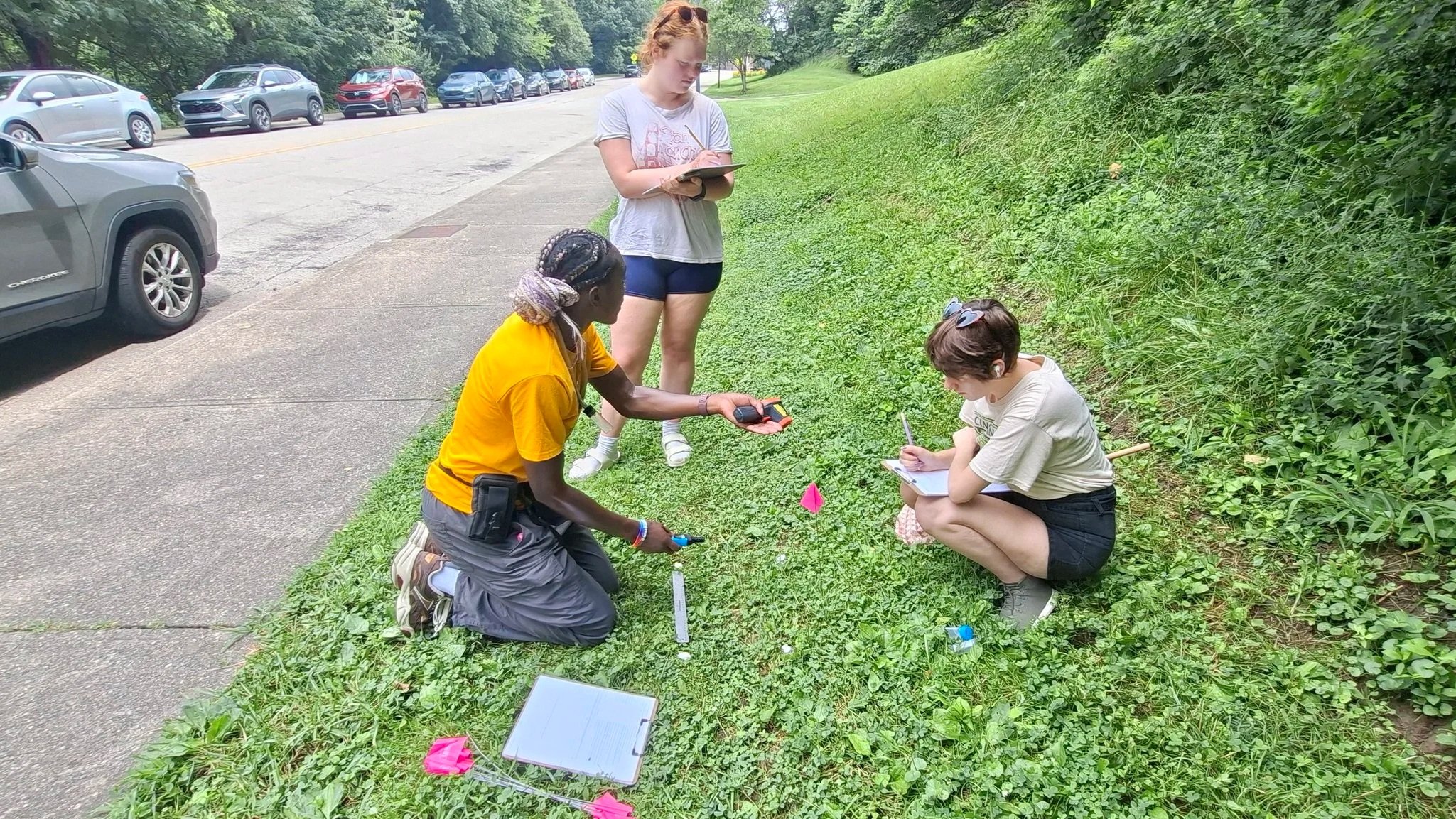
Cincinnati Urban Ecology Project in Burnet Woods - July 2026
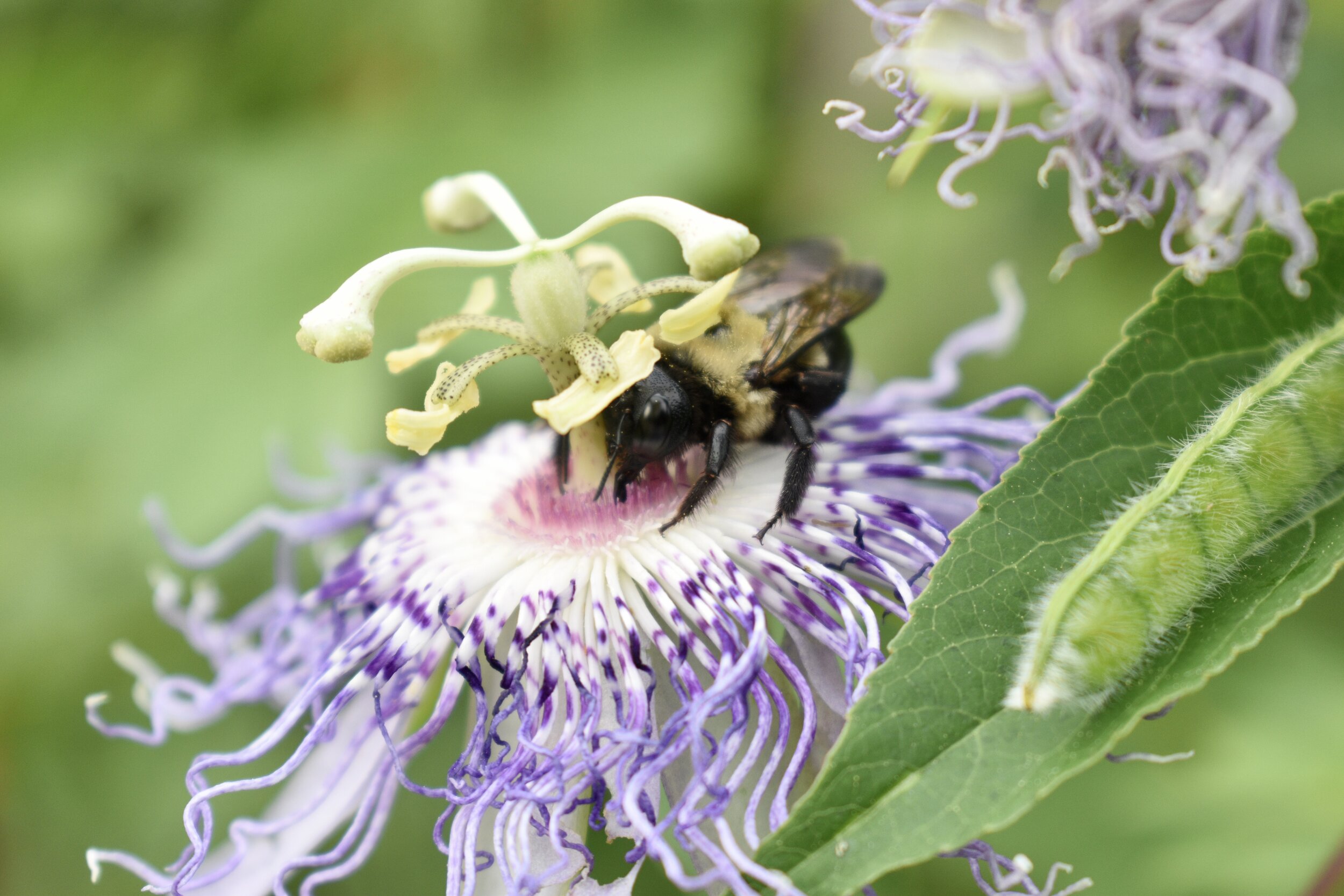
Lick Run Greenway Beneficial Insects & Wyoming North Park are two spaces where QCPP has launched community science projects. YOU are the scientist. Community members will help document the floral and pollinator diversity at Lick Run Greenway & Wyoming North Park by taking photos and recording what YOU observe.
Your data can help scientists and local legislation make informed decisions toward pollinator species and habitat conservation efforts.
You will upload your data (time-stamped pictures with GPS tags) to our project page on the iNaturalist app. Your photos will document pollinator food resources, population numbers, species diversity, nesting habitats, and more.
With your curiosity and detective skills, we can build a city that contributes data and innovations to help the pollinators with whom we share habitat.
To learn more about this project and how to join, click the button below!

Science needs more Pollinator Protectors
We are counting on you to help us count the native and invasive plants in your yard. Photography and upload your photos to iNaturalist.
You can upload the data from YOUR YARD to help scientists track where the bugs, plants, mammals, and birds are that are working to pollinate our world.
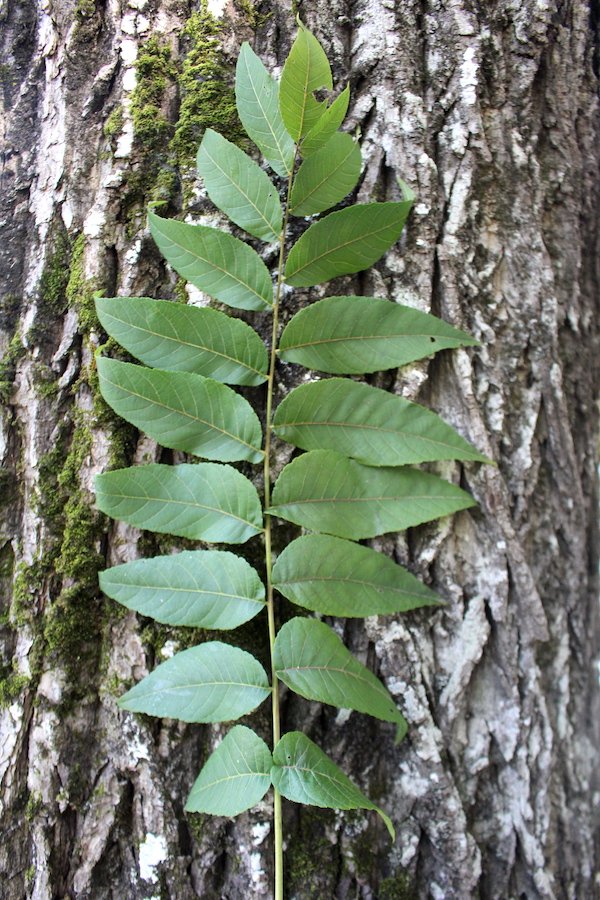
Adventure Scientists are restoring Butternut Trees - but we have to find them first!
This project is calling on volunteers to help protect one of North America’s imperiled native trees: the butternut tree.
The data we gather will uncover important clues about genetic diversity, disease response, and resistance, and the potential for restoration. YOUR MISSION is to search for these trees, assess the trees’ health, and collect leaflet samples to unlock crucial scientific insights that will help to restore butternut trees to the forest.
If you know of a local butternut tree, you can report it to the Adventure Scientists, or let us know at QCPP, and we will come check it out.